
ADHD and AuDHD Life Skills Coaching
Building Confidence, Independence, and Strategies That Actually Work
Struggling with motivation, organization, time management, or everyday responsibilities? Discover how neuroaffirming life skills coaching can help ADHD and AuDHD teens and adults build practical tools for everyday success.
Why does everyday life sometimes feel so hard?
Have you ever looked at a task you know you need to complete, wanted to get it done, and still struggled to get started?
Maybe your to-do list keeps growing, you’re constantly running late, or simple daily responsibilities feel overwhelming. You might have a dozen great ideas but struggle to follow through. Or perhaps you spend so much energy keeping up with work, school, and relationships that there’s little left for yourself.
If you’re ADHD or AuDHD (both autistic and ADHD), these experiences may sound familiar.
The challenge isn’t necessarily knowing what to do. It’s figuring out how to make it happen in a way that works for your brain.
At Divergent Support Services, I believe life skills coaching should never be about forcing neurodivergent individuals to fit into systems that weren’t designed for them.
Instead, it’s about discovering strategies that make everyday life easier, more manageable, and more fulfilling.
What is ADHD and AuDHD coaching?
Life skills coaching provides individualized, practical support to help ADHD and AuDHD teens and adults navigate everyday responsibilities, develop confidence, and build greater independence.
Unlike traditional approaches that may focus on correcting behaviors or enforcing rigid routines, neuroaffirming coaching recognizes that different brains need different strategies.
Life skills coaching can help with:
- Executive functioning: Planning, organizing, prioritizing, and following through on tasks.
- Task initiation: Finding realistic ways to get started when something feels overwhelming.
- Time management: Developing systems for appointments, deadlines, and daily responsibilities.
- Motivation: Understanding what helps you engage with tasks rather than relying on willpower alone.
- Daily routines: Creating flexible systems for personal care, household responsibilities, and school or work.
- Communication: Expressing needs, navigating misunderstandings, and building confidence in relationships.
- Emotional awareness: Recognizing frustration, overwhelm, and the need for breaks or additional support.
- Self-advocacy: Learning how to ask for accommodations and communicate what works best for you.
The goal isn’t perfection. It’s developing tools that help you experience more success with less unnecessary stress.
ADHD isn’t a lack of motivation or effort
One of the most frustrating experiences for many ADHD individuals is being told they simply need to try harder.
“You just need to focus.”
“Make a list.”
“Stop procrastinating.”
“Be more organized.”
If those suggestions were enough, you probably wouldn’t still be struggling.
ADHD can affect executive functioning, including the ability to start tasks, manage time, regulate attention, and organize information.
You may know exactly what needs to happen but struggle to translate that knowledge into action.
This doesn’t mean you’re lazy, incapable, or unmotivated.
It means the strategies you’ve been given may not match how your brain processes information and manages demands.
Coaching helps bridge the gap between knowing what needs to happen and finding a realistic way to make it happen.
What makes AuDHD life skills coaching different?
AuDHD refers to individuals who are both autistic and ADHD.
Living with both can create unique experiences, particularly when autistic and ADHD needs seem to pull in different directions.
For example, you might crave predictability and routine but struggle to maintain routines consistently.
You may enjoy novelty and new experiences while also finding unexpected changes overwhelming.
You might need social connection but become exhausted by sensory demands, masking, or extended interactions.
These aren’t contradictions that need to be fixed. They’re needs that deserve to be understood.
AuDHD coaching considers both autistic and ADHD experiences when developing practical strategies.
For example, we might explore ways to create flexible routines that provide structure without becoming restrictive, or identify sensory-friendly approaches to managing daily responsibilities.
The goal is to build a life that accommodates all parts of who you are.
How can life skills coaching help ADHD and AuDHD teens?
The teenage years bring increasing expectations around independence, school performance, relationships, and managing responsibilities.
For ADHD and AuDHD teens, these transitions can be especially challenging when executive functioning skills are still developing and expectations increase faster than available support.
Life skills coaching can help teens:
- Develop personalized homework and study routines.
- Break large assignments into manageable steps.
- Improve time awareness and planning.
- Build confidence communicating with teachers and peers.
- Understand their sensory and emotional needs.
- Develop self-advocacy skills.
- Prepare for greater independence and adulthood.
- Explore educational and career interests.
At Divergent Support Services, I focus on working collaboratively with teens rather than simply telling them what to do.
Parents can also benefit from understanding which supports are helpful and how to encourage independence without creating unnecessary pressure.
The goal is not to make teens more compliant. It’s to help them become more confident, capable, and empowered to advocate for themselves.
How can ADHD and AuDHD coaching help adults?
Adulthood often comes with an overwhelming number of responsibilities.
Managing employment, finances, relationships, household tasks, appointments, and personal well-being can require significant executive functioning resources.
For ADHD and AuDHD adults, maintaining these responsibilities may be particularly challenging when traditional productivity systems don’t work.
Coaching can help you explore practical solutions for:
Managing Everyday Responsibilities
We can develop personalized approaches to household tasks, scheduling, appointments, and keeping track of responsibilities.
Building Motivation and Getting Started
We explore what makes certain tasks difficult to begin and identify strategies such as breaking tasks into smaller steps, using visual prompts, or creating external accountability.
Creating Flexible Routines
Rather than forcing rigid schedules, we build routines that accommodate your energy, sensory needs, interests, and natural working patterns.
Navigating Work and Career Challenges
With more than 25 years of experience in human resources, organizational development, and workplace inclusion, I bring a practical understanding of workplace expectations, communication, accommodations, and career development.
Together, we can explore strategies for managing competing priorities, communicating with colleagues, advocating for support, and navigating career transitions.
Building Confidence and Self-Advocacy
Many neurodivergent adults have spent years believing they should be able to manage responsibilities the same way everyone else does.
Coaching can help you replace unrealistic expectations with practical strategies, greater self-understanding, and confidence in asking for what you need.
Why productivity advice doesn’t always work
Many popular productivity systems assume that everyone can manage time, maintain attention, and complete tasks in similar ways.
But what works for one person may create additional frustration for someone else.
For example, a detailed daily planner may help one ADHD individual stay organized while overwhelming another.
A rigid morning routine might provide comfort for one AuDHD person but become difficult to maintain when energy or sensory needs change.
That’s why individualized coaching matters.
Rather than giving everyone the same checklist, we explore what works for you.
Sometimes the most effective strategy is surprisingly simple.
It might be a five-minute task starter, a visual reminder, a body-doubling session, a flexible weekly plan, or permission to approach a task differently.
Success isn’t about using the most popular strategy. It’s about finding the strategy you’ll actually use.
What happens during ADHD and AuDHD life skills coaching?
My approach:
What can we work on together today to make tomorrow easier?
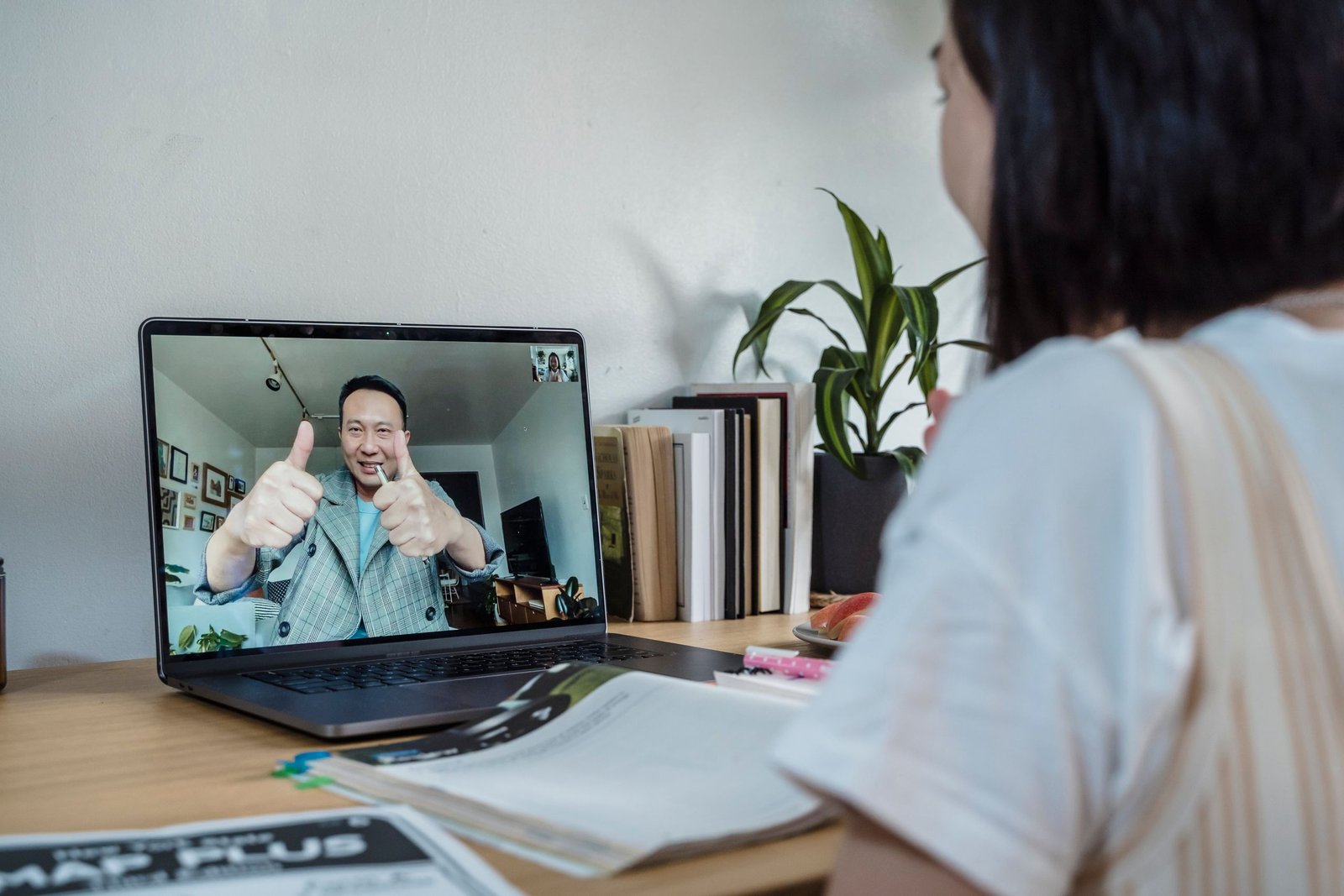
At Divergent Support Services, sessions are virtual, collaborative, and focused on your current needs.
Our initial session focuses on understanding your strengths, challenges, priorities, and goals.
From there, we work together to build your personal toolbox of practical strategies.
Each ongoing session typically lasts 45–50 minutes and may include reviewing what’s working, troubleshooting challenges, practicing new skills, and identifying manageable next steps.
You won’t leave with an overwhelming list of things you should be doing.
Instead, we’ll focus on small, achievable tasks and meaningful takeaways that support progress between sessions.
And if something doesn’t work?
We adjust the strategy, not your worth.
Do you need an ADHD or Autism diagnosis to benefit from coaching?
No. A formal diagnosis is not required to explore neuro-affirming coaching.
Some clients have known they were ADHD or autistic since childhood. Others are late-identified, self-identified, or still exploring their neurodivergent identity.
Coaching focuses on your individual experiences, needs, and goals rather than requiring you to fit into a specific diagnostic category.
Coaching is not a diagnostic service or a replacement for psychotherapy, or medical treatment. It can complement these services by helping you develop practical skills for everyday life.
Small Steps Can Create Meaningful Change
Building life skills doesn’t mean transforming your entire life overnight.
Sometimes progress looks like remembering an appointment without feeling overwhelmed.
Sometimes it’s finding a way to start an assignment you’ve been avoiding.
Sometimes it’s creating a routine that actually fits your life.
And sometimes it’s learning to recognize when you need support rather than pushing yourself beyond your limits.
Every small success helps you better understand what works for you.
You don’t need to become a different person to be successful. You need strategies that support the person you already are.
Ready to Build Your Personal Toolbox?
If you’re an ADHD or AuDHD teen or adult struggling with organization, motivation, executive functioning, daily responsibilities, or building independence, life skills coaching may be a helpful next step.
At Divergent Support Services, I provide individualized, virtual, neuroaffirming coaching designed to help you build confidence, develop practical strategies, and navigate everyday life with greater ease.
My approach isn’t about dwelling on the past or trying to change who you are.
It’s about identifying what we can work on together today to make tomorrow easier.
Let’s build a toolbox of strategies that work for your brain, your needs, and your life.